Extending Support to Vulnerable Families in Badghis Province
 Hashmat Ullah Khuram
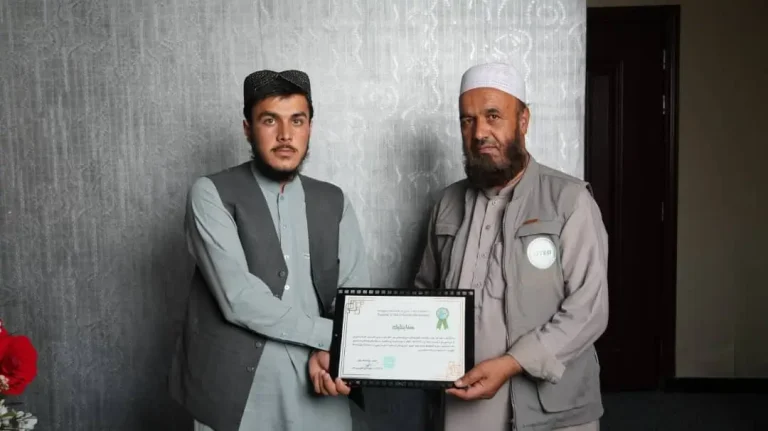
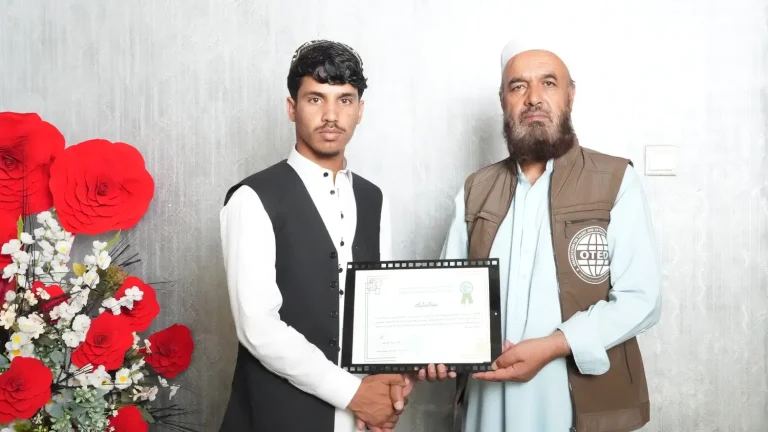
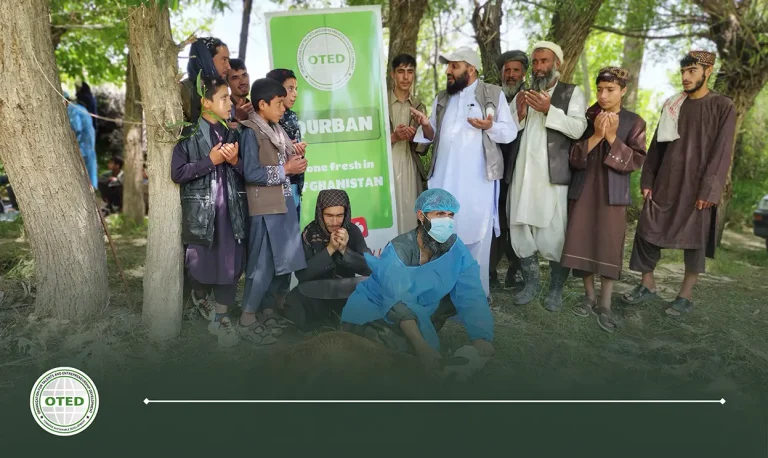
For families living with persistent economic hardship, timely support can make an important difference in meeting everyday needs and maintaining a sense of stability. Recognizing the challenges faced by vulnerable households in Afghanistan, the OTED team traveled from Kabul to Badghis Province to provide direct financial assistance to families in need.
As part of this initiative, 120 families received financial support, with many of the beneficiaries being households that included widows and orphaned children. The effort was designed to reach families facing difficult circumstances and provide them with practical assistance that could be directed toward their most immediate priorities.
The journey from Kabul to Badghis was an important part of the initiative. Reaching communities outside major urban centers requires commitment, coordination, and an understanding that meaningful humanitarian work must extend beyond where services are easiest to deliver.
For OTED, the visit represented an opportunity to connect directly with vulnerable families and provide support in a way that respects their individual circumstances and needs.
Reaching Families Where Support Is Needed Most
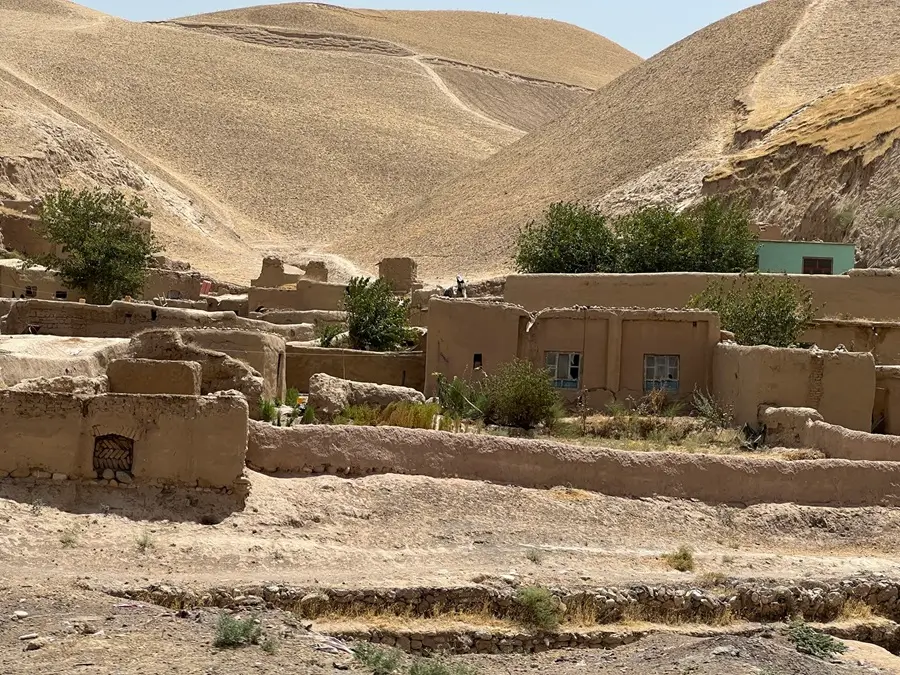
Afghanistan continues to face significant humanitarian and economic challenges. Families across the country are dealing with poverty, limited employment opportunities, food insecurity, displacement, and other pressures that can make meeting basic household needs increasingly difficult.
These challenges can be particularly serious for households without a stable source of income.
Widows and families caring for orphaned children can face additional difficulties when household resources are limited. The loss of a primary breadwinner can place considerable responsibility on the remaining members of a family, while children without parental support may require additional care and resources.
Humanitarian organizations working in Afghanistan have consistently identified vulnerable households, including women-headed families, as important groups for assistance. The World Food Programme, for example, currently prioritizes women-headed households within its emergency response and social protection activities.
Against this broader context, OTED’s work in Badghis focused on a simple but important objective: reaching families facing hardship and providing practical financial support that they could use according to their own circumstances.
A Journey From Kabul to Badghis
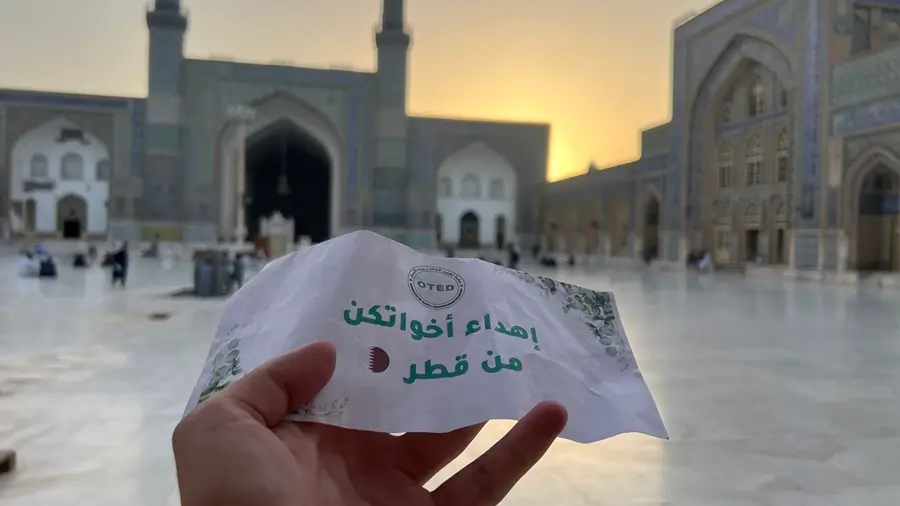
The OTED team’s journey from Kabul to Badghis reflected the practical commitment required to reach communities across Afghanistan.
Humanitarian and community-support activities often require organizations to work across considerable distances and in areas where access can be more challenging. Badghis, located in western Afghanistan, has been included in humanitarian response plans and programs addressing food insecurity, livelihood protection, and assistance for vulnerable populations.
Traveling directly to the province allowed the team to engage with the community and deliver the planned assistance to the selected households.
For OTED, such field activities are about more than reaching a numerical target. They are an opportunity to understand the people behind the figures and to ensure that assistance reaches households for whom it can provide meaningful support.
The 120 families supported during this initiative represent individual households, each with their own circumstances, responsibilities, and priorities.
Supporting 120 Households With Greater Flexibility
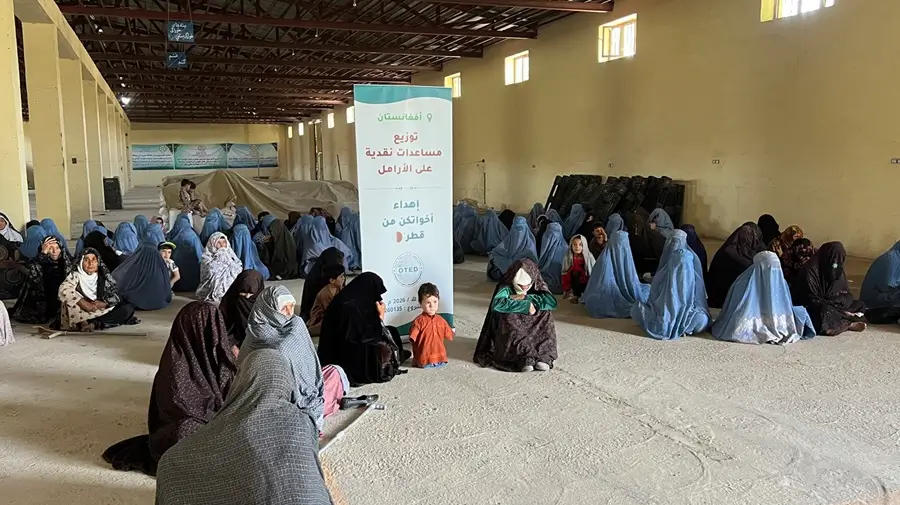
A key strength of providing financial assistance is the flexibility it offers to families.
Every household has different needs. One family may need to prioritize food and other household essentials, while another may have expenses related to children’s education, clothing, transportation, or other immediate necessities.
Providing financial support allows families to make those decisions themselves.
Rather than assuming that every household requires exactly the same items, financial assistance gives beneficiaries a degree of choice and allows them to respond to the needs that matter most within their own homes.
This approach is consistent with the wider use of cash-based assistance in Afghanistan. Humanitarian programs have used cash as one method of helping vulnerable families meet essential needs, particularly in situations where households face food insecurity or economic pressure. The Afghanistan Humanitarian Fund, for example, has included cash or in-kind food assistance among response activities in Badghis and other provinces.
OTED’s initiative in Badghis followed this practical principle by providing families with assistance they could apply to their most pressing needs.
A Focus on Widows and Orphaned Children
Among the families reached during the initiative were households caring for widows and orphaned children.
These families can experience particularly difficult economic circumstances. When a household loses a parent or primary income earner, responsibilities that were previously shared may fall on fewer family members. For widows raising children, managing household expenses without a stable source of income can be especially challenging.
Children who have lost parental support may also face greater vulnerability, particularly when the wider household is already experiencing financial hardship.
For this reason, identifying and supporting vulnerable households is an important element of effective humanitarian and community-focused work.
The wider humanitarian response in Afghanistan reflects the same concern. WFP reports that women-headed households are among the groups it prioritizes, while its emergency programs provide assistance to families facing multiple vulnerabilities.
For OTED, reaching families in these circumstances was an important part of the Badghis initiative.
More Than Financial Assistance
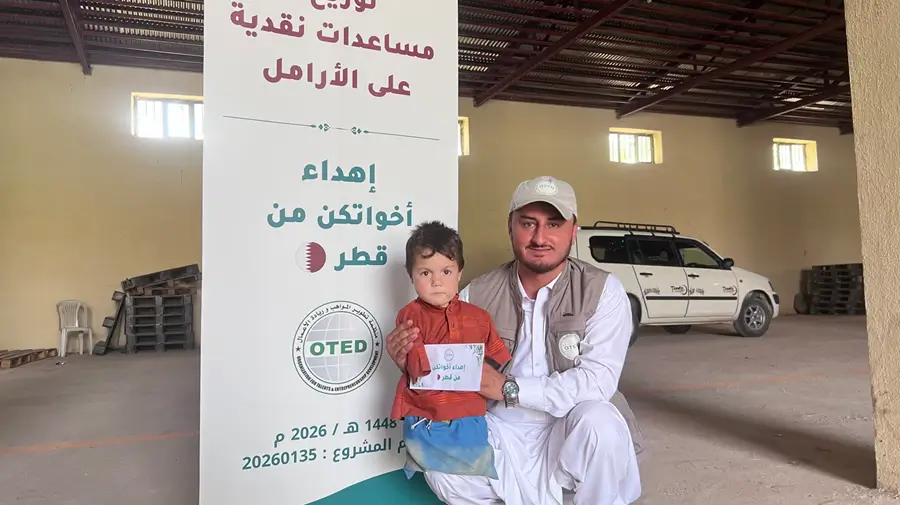
While the immediate purpose of the initiative was to provide financial support, its significance extends beyond the assistance itself.
For a family experiencing financial hardship, having additional resources can provide some room to respond to an urgent need. It may help a household manage an expense that would otherwise be difficult to cover or reduce some of the pressure created by limited income.
Just as importantly, assistance can communicate that vulnerable families have not been overlooked.
Community support is most effective when it is grounded in dignity and respect. Families facing hardship should be able to receive assistance without feeling that their circumstances diminish their dignity.
Financial assistance can support this principle by giving households the freedom to determine how to use the resources available to them.
This flexibility is one reason cash-based approaches have become an important component of humanitarian response in Afghanistan. Recent humanitarian programs have continued to combine food and cash assistance to support households facing severe economic and food-security challenges.
Understanding the Human Side of the Numbers
Humanitarian reports often measure programs through numbers: households reached, beneficiaries supported, locations covered, or resources distributed.
These figures are important because they demonstrate the scale and reach of an initiative. However, numbers alone cannot fully describe the people involved.
Behind the figure of 120 families are parents, children, widows, and other household members managing their own daily challenges.
For the OTED team, traveling to Badghis provided an opportunity to see that human side directly.
The initiative was not simply about completing a distribution. It was about reaching households, recognizing their circumstances, and making practical support available to them.
This people-centered perspective is essential to responsible humanitarian work. Assistance should not only be measured by how much is delivered, but also by whether it reaches the people it was intended to support and whether the form of assistance is appropriate to their circumstances.
Why Local Outreach Matters
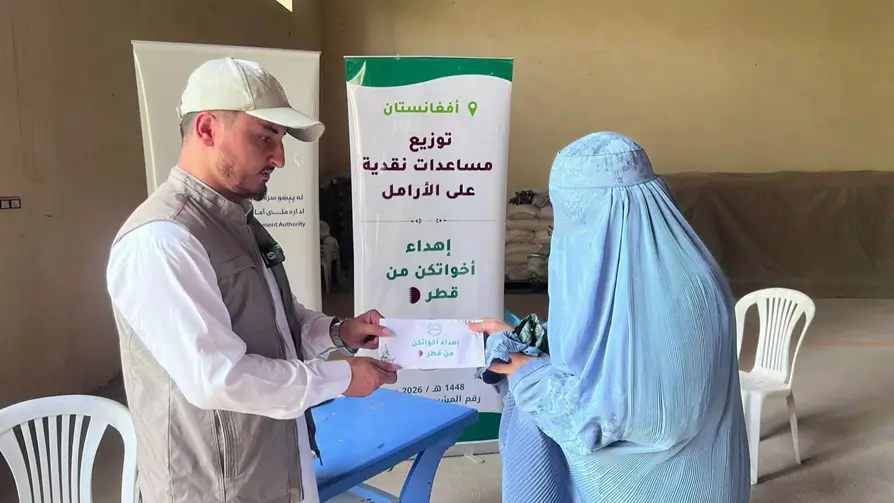
Afghanistan’s humanitarian needs are not concentrated in one city or one community. Families living in provincial and rural areas can face significant challenges in accessing services, employment, markets, and other forms of support.
For organizations based in Kabul, traveling to provinces such as Badghis is therefore an important part of maintaining a connection with communities beyond the capital.
Direct outreach can help organizations better understand local circumstances and identify where support is most needed.
Badghis has repeatedly appeared in humanitarian response planning because of the needs faced by communities in the province. Previous Afghanistan Humanitarian Fund allocations have included Badghis among areas eligible for food, cash, livelihood, shelter, and other forms of humanitarian assistance.
The OTED team’s visit contributes to this broader effort to ensure that vulnerable families in provincial communities are not overlooked.
Creating Support With Dignity and Choice
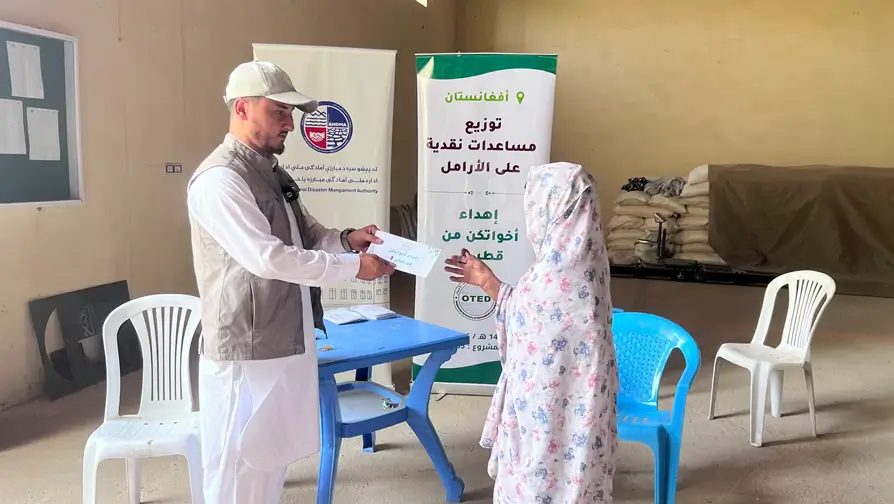
A meaningful assistance program should consider not only what is provided, but also how it is provided.
Financial support gives families the ability to make their own decisions. This can be especially valuable when households have different priorities.
For one family, the most urgent concern may be food. For another, it may be clothing, education-related expenses, or another household necessity.
Allowing families to determine their priorities recognizes that they understand their own circumstances better than anyone else.
This element of choice is an important part of the value of cash-based assistance. It can help households respond to immediate needs while maintaining a greater degree of independence in deciding how available resources should be used.
For OTED, supporting vulnerable families is therefore not only about providing resources. It is also about approaching communities with respect and recognizing the dignity of the people receiving assistance.
A Commitment to Communities Beyond Kabul
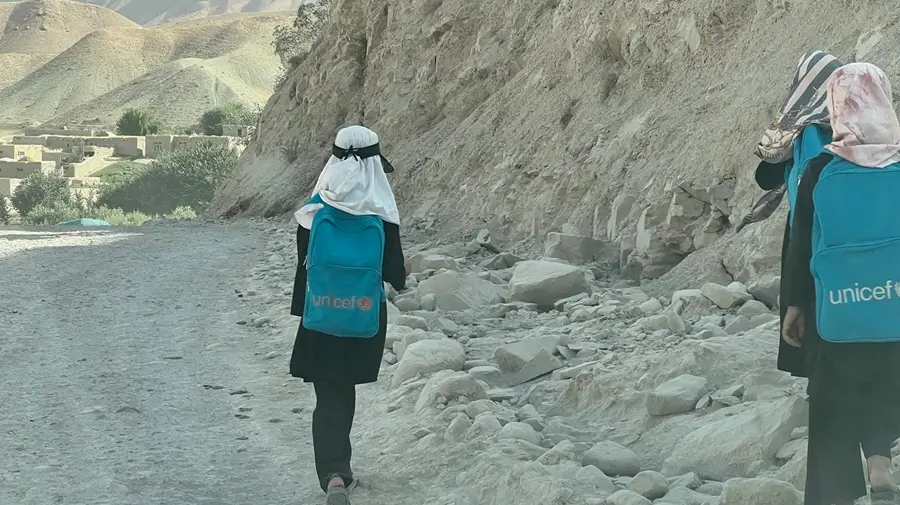
The journey from Kabul to Badghis is also a reflection of OTED’s broader commitment to reaching communities where assistance can make a difference.
Afghanistan’s geography and infrastructure can make travel and service delivery challenging. Nevertheless, community-focused initiatives require organizations to look beyond central locations and consider the circumstances of families in provinces across the country.
The Badghis initiative demonstrated this commitment by bringing the OTED team directly into the community.
The support provided to 120 households may represent one initiative at one point in time, but it forms part of a larger principle: effective humanitarian work begins with understanding where people need support and taking practical steps to reach them.
Looking Ahead
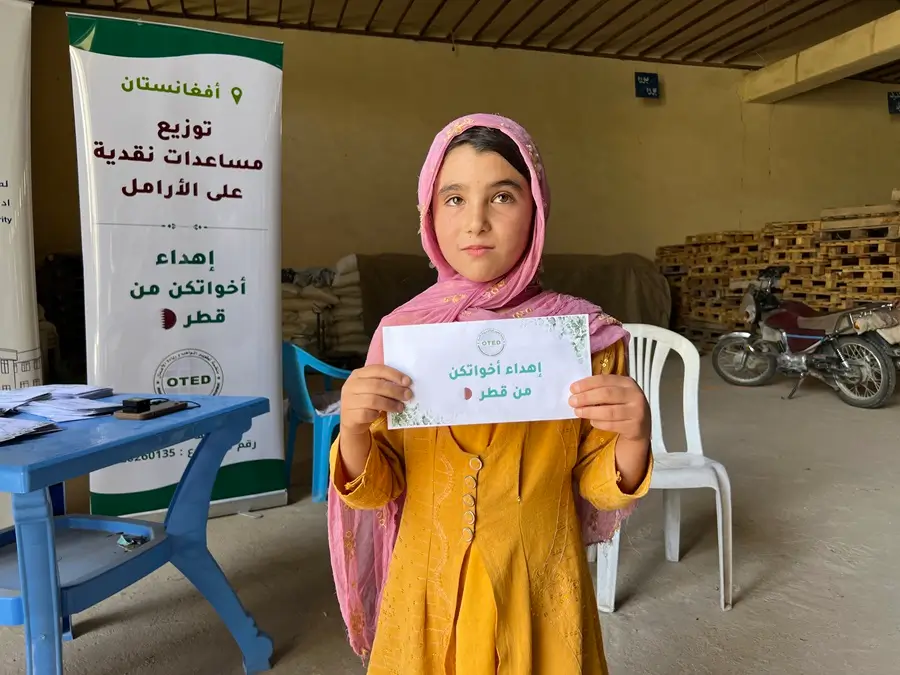
The needs of vulnerable families cannot always be addressed through a single intervention.
Financial assistance can provide immediate support, but long-term resilience may require broader opportunities, including access to livelihoods, education, healthcare, food security, and other essential services.
For this reason, initiatives such as the one in Badghis can also provide valuable insight into the circumstances faced by communities.
Listening to beneficiaries and understanding the realities they experience can help organizations think more effectively about future programs and how assistance can be made more responsive.
The experience in Badghis reinforces the importance of continuing to identify vulnerable households and developing practical forms of support that respond to their circumstances.
Conclusion
OTED’s visit to Badghis Province brought direct financial assistance to 120 families, many of whom were households caring for widows and orphaned children.
Traveling from Kabul to reach these families was an important part of the initiative. It reflected the belief that meaningful community support should extend beyond major cities and reach households facing hardship wherever they are located.
For the families who received assistance, the support provided an opportunity to address their own immediate priorities with greater flexibility and choice.
More broadly, the initiative reflects the importance of people-centered humanitarian work: identifying vulnerable communities, listening to their needs, and providing support in a way that respects their dignity.
The challenges facing families across Afghanistan remain significant, and no single initiative can address them all. But every well-planned effort to reach vulnerable households contributes to a stronger culture of community support.
For OTED, the experience in Badghis is another reminder that meaningful impact begins with being present, listening to communities, and taking action where support is needed most.